Eurocoded
For a new generation of tech companies, Europe is no longer just a headquarter location but an identity marker.
Geopolitical tension, BigTech distrust, and a political push for digital sovereignty are reshaping the European tech landscape. For startups, it's no longer just about what they build, but also where. Europe is evolving from a headquarter location to an identity marker for tech brands. The reasons for that shift are unsettling. But from a branding perspective, the development is fascinating.
Local Copycats to Global Unicorns
Flashback to the early 2000s. The European startup scene was barely emerging. The internet was still Neuland for German politics. "Big tech" wasn't even a term yet. And most successful European startups were, frankly, brazen copies of US players.
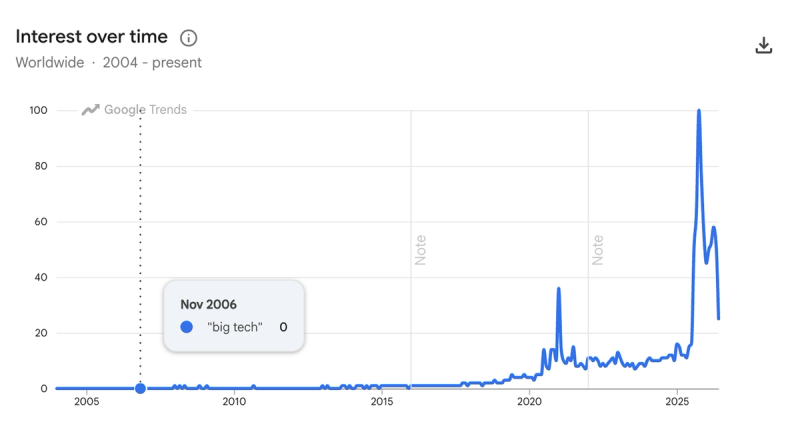
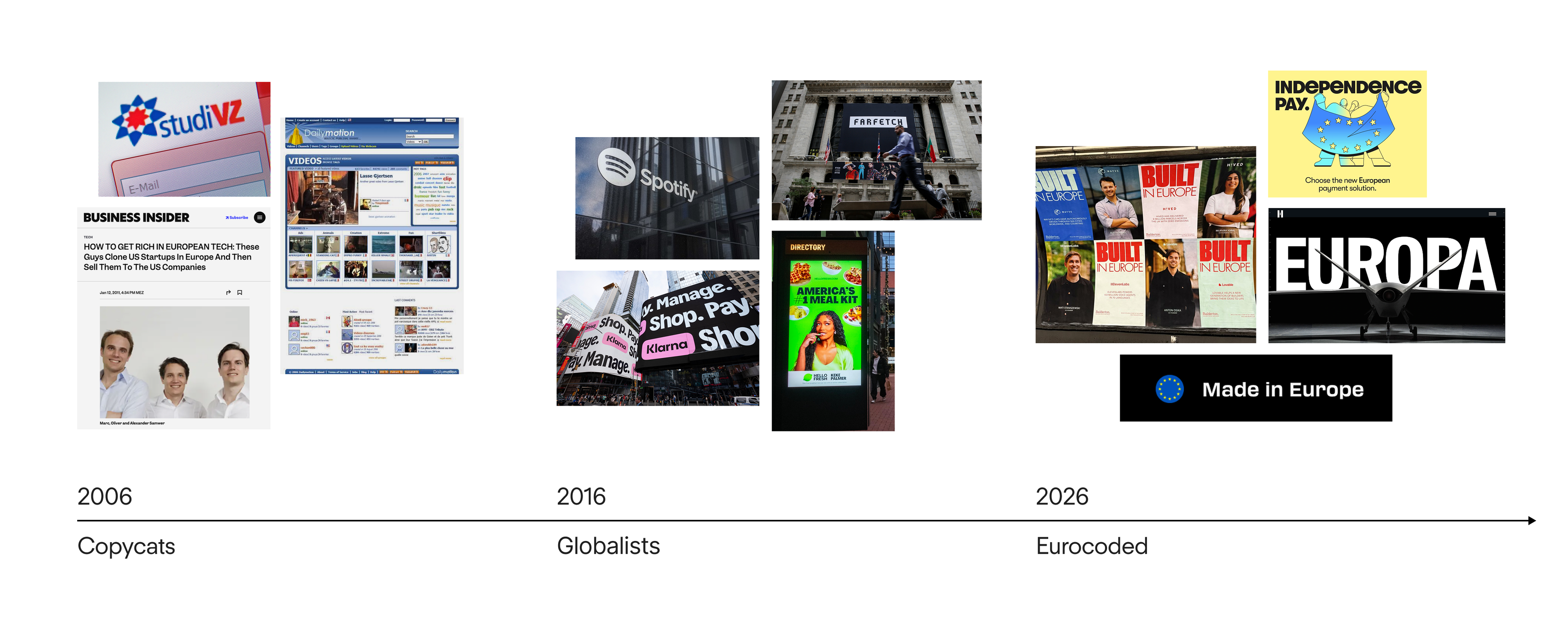
Since these early days, a lot has changed. Europe's tech scene caught up. Sure, there are significantly fewer global unicorn-level companies, but the ones that did emerge from European tech ecosystems were on eye-level with their US counterparts. Global brands. Kind of stateless.
For years, startups on both sides of the Atlantic ran on the same brand playbooks with the same narratives and the same symbolism. It was about what you build, not where. Be it Lithuania or San Francisco, Paris or Austin.
But times are changing.
Vibeshift
Since Trump II at the latest, a divide has opened up between Europe and the US that's reshaping the playing field for startups.
Media
In the US, the leading tech companies are now tightly intertwined with the Trump administration. In Europe, politicians are waking up to just how critical tech infrastructure is for economic and geopolitical power — and pushing for digital sovereignty and independence from the big US players.
But it's not just politics. Corporates are increasingly worried about supply chain stability and data security. Consumers across Europe, driven by distrust of Big Tech and a rejection of what's happening in Washington, are actively looking for European alternatives.
Against this backdrop, European origin is becoming a relevant part of brand identity for tech companies.
Origin as Identity
Look at Europe's most successful tech companies of the last decade. What stands out is how global they were. Origin didn't play a role. You might think that's natural for a global brand, but it's not. Some of the most valuable European brands have a clearly national identity. The unicorns of the last decade didn't.
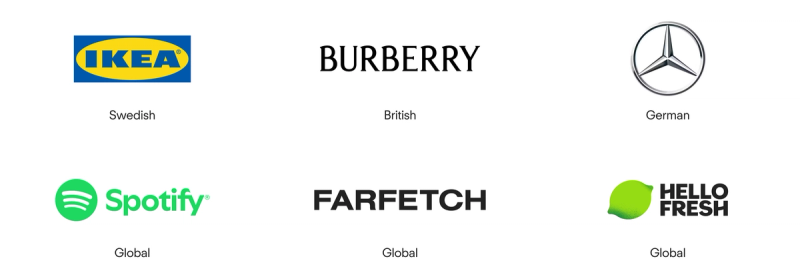
IKEA is Swedish. Burberry is British. Mercedes-Benz is German. But Spotify, Farfetch, and HelloFresh are global. The unicorn brands are stateless. For years, they all aimed at the same audiences, whether in Boston or Barcelona.

There was a time when startups proudly displayed little badges of origin on their websites. But those were cities, not countries. Built in Berlin. Built in San Francisco. Not Germany. Not Europe. Not California. Not the United States. That's starting to change. Tech companies are beginning to identify as European companies, as American companies.
Good Old Times
The growing importance of origin in tech branding comes with a companion trend. Retro design. Where startups of the last decade mostly painted a vision of the future, cultural references and symbolism from the past are now back in the picture.
Defense tech startup Anduril drew on a campaign from the War Production Board, a federal agency during World War II. Space tech startup Cowboy Space builds its brand around the visual references of John Wayne and the moon landing.
Media
This retro trend among US tech brands feels like a logical reaction to MAGA and the rising anti-globalization zeitgeist. In any case, it clearly identifies them as US brands.
Also European tech brands jump on the retro design trend. Banking startup Augustus draws on ancient Rome. UK-based manufacturing startup Isembard borrows its name from a hero of the British Industrial Revolution. What we noticed is that the European tech brands tend to look further back or closer to home. when they reference the past
That's because there is no strong pan-European cultural reference frame. People in Poland and Portugal, in Slovenia and Spain, share fewer myths and symbols than people in California and North Carolina. The European Union in its current form is only 40 years old.
And yet, for more and more European tech companies, Europe is not just the location of their headquarters but an important part of their brand identity.
We call them eurocoded.
What is Eurocoded?
Eurocoded brands are tech brands with a clearly European identity. The most straightforward cases are brands that actively make a point of their European origin, where it shapes how they describe themselves or shows up in their communications.
But we'd also call a brand eurocoded if its core proposition is implicitly European. Think brands built around data sovereignty, privacy, or independence from Big Tech. They don't necessarily wave a flag, but they're positioning against a very specific set of US Tech clichés.
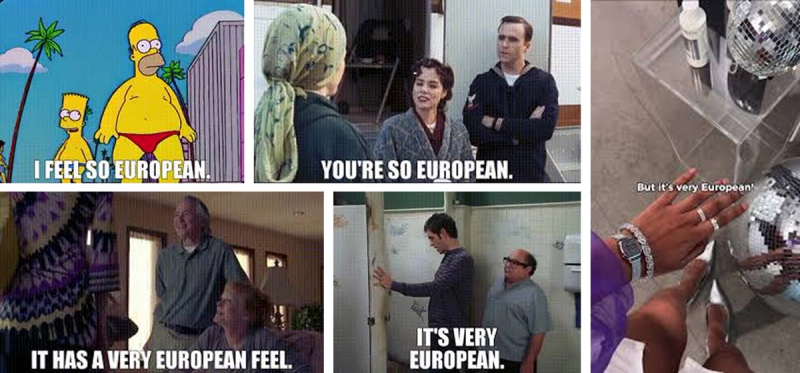
Eurocoded is a fuzzy term. There are different ideas about what it means to be European, and whether a brand qualifies is highly subjective. But that fuzziness and the fact that it's still emerging is exactly what makes it interesting to us.
Eurocoded Symbols and Narratives
We'll dive deeper into this field over the next weeks to decode the symbols and narratives that eurocoded brands work with. To understand what eurocoded even means.
Here is a little teaser:
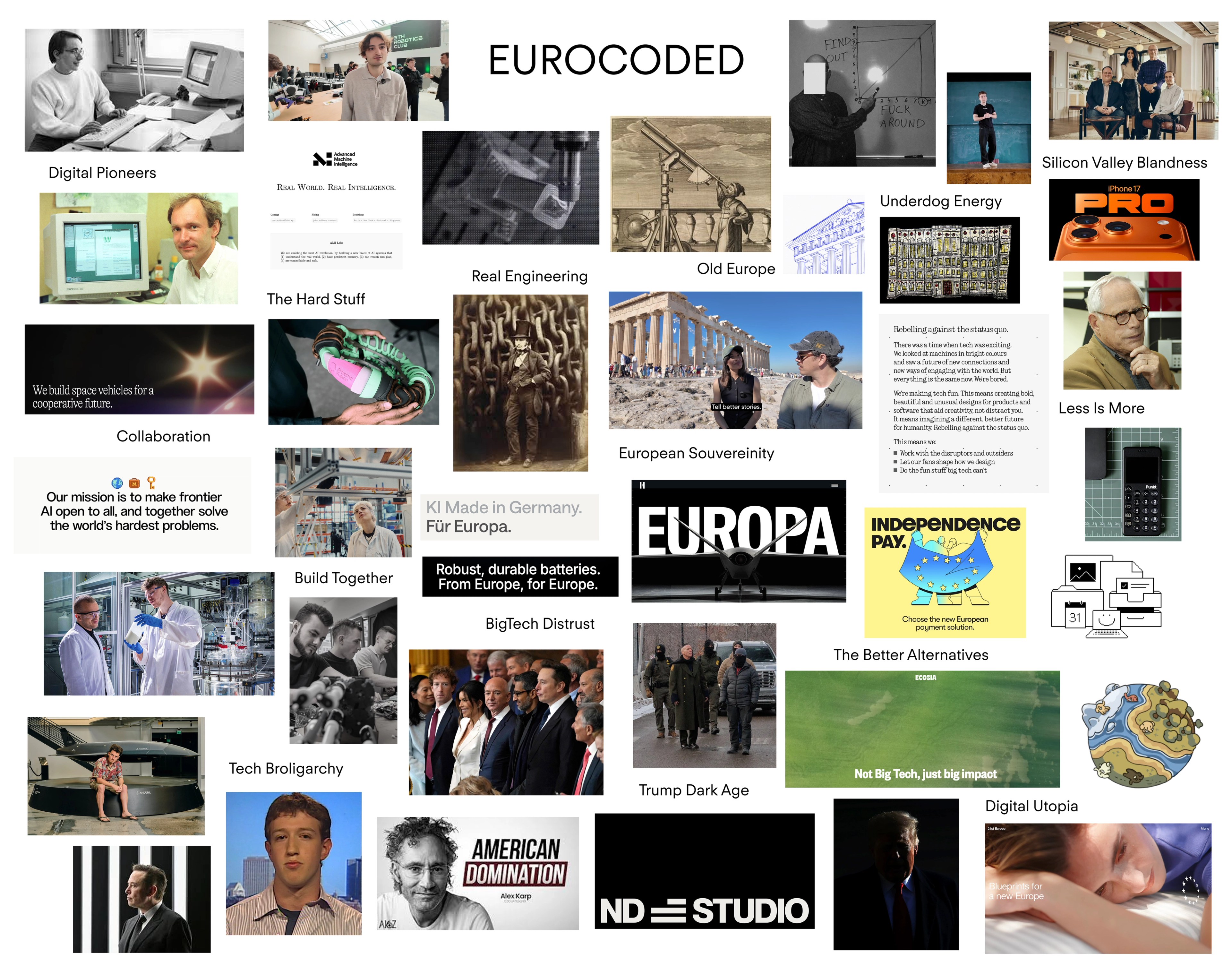
We're currently compiling our research on brands across the European tech ecosystem. From big to small, from startups to investors.
Sign up to our newsletter and we'll send you the full report when it's ready.